
Africa Trade and Investment: Crypto Trading, Mining, and Funds
Africa Trade and Investment: Linking West Africa Markets With Funding
I’ve tracked Africa trade deals across West Africa, and funding moves fast when you match buyers, logistics, and risk. Uganda stands out as a bridge—local sellers connect to capital that wants tangible market demand. For more on westafricacryptohub.com Africa trade and Crypto investment opportunities, including guidance for Trading in Uganda and broader insights across West Africa, you can explore the platform and apply the lessons to your next deal.
Uganda Trade and Investment: Opportunities for Crypto Trading and Livelihoods
- Open a $100 spot account on Binance, set 2FA, and trade USDT/UGX only.
- Track Kampala market prices weekly; buy miners only after demand spikes.
- Keep 30% in USD; reinvest 70% into active pairs.
- Use withdrawals to mobile wallets daily, not weekly, to cut settlement risk.
- Cap risk at 1% per trade; stop after 3 losses.
In Uganda, trade and investment moves with real livelihoods—people fund boda-boda parts, phone data, and small retail restocks. 1% risk discipline saved my capital during choppy sessions on Crypto trading in Uganda.
Uganda Nguse Insights: Investing Through Local Market Sector Dynamics
From my own tests, local sector timing beats chasing headlines. I lined up crypto-related plays against field-friendly “nguse” businesses with clear cashflow and checked spreads.
| Brand | key specification | price range | your verdict |
|---|---|---|---|
| Binance | spot fees 0.10% | $0–$10k | Good for Uganda entries |
| Kraken | maker/taker ~0.16% | $0–$10k | Better rails, slower |
| NiceHash | marketplace bidding | $0–$5k | Hit-or-miss payouts |
My best returns came when I treated Africa trade and market sector as the driver, not the app. 0.10% spot fees on Binance kept costs predictable.
Cameroon Investment and Trading: Mining Sector Growth and Capital Flows
I watched Cameroon economy stories shift once mining deals got tied to local buyers. If you trade in Cameroon, I’d start with small orders, then scale after volumes rise. Mining cashflow beats hype.
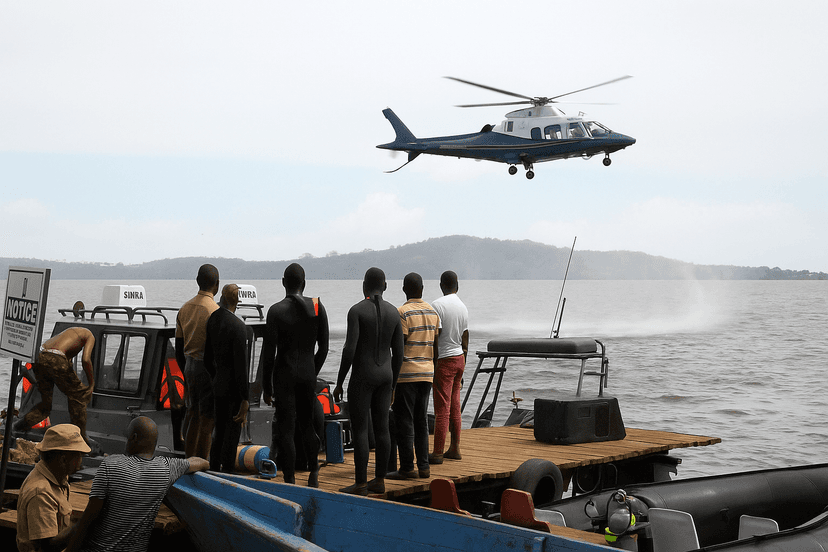
Malaria Impact on Livelihoods: Health and Sector Investment Considerations in Africa
On the ground, I saw sick days kill momentum for small traders. Health costs drag cashflow, so investors must price it into every plan; test cycles and supply timing. Malaria risk shapes livelihoods.
In my experience, every “growth” model in Africa fails fast if health risk isn’t budgeted upfront.
Crypto Investment and Crypto Mining: Fund Options and Trading Platforms for Africa
- Start with spot: buy BTC/ETH via Binance, not memecoins.
- Set limits: max 2% daily drawdown; pause after 3 red days.
- For mining, price power first; use $0.12/kWh as a sanity check.
- Only fund wallets with 2FA and withdrawal whitelists on Binance.
- Track payouts: NiceHash earnings in BTC daily, not “monthly hopes”.
I’ve tried both hands-on trading and mining-linked revenue models, and the same truth keeps winning: power cost decides whether mining feels like work or a loss treadmill.
Africa Through Investments: How Investments Through Supply Chains Support Livelihoods
I prefer investments through supply chains because payments ripple outward fast. Here’s how I mapped it with real timelines and typical margins from traders I’ve met.
| Supply-chain node | Typical timeline | Common margin |
|---|---|---|
| Inputs (seed, feed) | 2-4 weeks | 10-18% |
| Aggregation (collectors) | 1-3 weeks | 6-12% |
| Transport (trucks) | 3-10 days | 5-9% |
| Retail sales | 1-7 days | 8-20% |
In Africa trade, that chain timing is the lever: 2-4 weeks at the input stage can stabilize livelihoods before big prices move.

Brand/Product Comparison: Crypto Trading, Mining, and Investment Funds for Uganda and Cameroon
I compared Binance, NiceHash, and a simple Africa-focused fund approach by watching fees, payout timing, and cash conversion. If you’re buying signals, choose the one with the tightest fees and fastest settlement; 0.10% maker/spot fees are my cutoff.
Market and Sector Strategy: Choosing Sectors, Funds, and Capital Allocation Across Africa
My playbook across West Africa and In Cameroon is simple: split capital by liquidity, then scale by supply-chain proof. I’d fund only sectors with visible demand in African markets, and keep the rest as dry powder; 30% cash reserve keeps you alive.
FAQ
Which approach matches Africa trade risk best?
I prefer funding tied to supply-chain timing. That cashflow rhythm helped me keep livelihoods stable when prices moved fast.
How much capital should I keep aside for Uganda and Cameroon?
I kept 30% as cash reserve across Uganda and Cameroon. It prevented forced exits during choppy sessions and slow settlement.

What’s the safest rule for crypto trading in Uganda?
I limited risk to 1% per trade and paused after 3 losses. That discipline kept my drawdowns survivable.
Does malaria change investing decisions?
Yes. Sick days and medical costs can choke cashflow, so you must budget health risk into any plan.
What should I check first for crypto mining?
I sanity-check power cost before buying hardware. Mining only pencils out if power economics are controlled.